
Home Staging in Maine: What Actually Matters Before You List
Let me be upfront about something before we get into it: most staging advice on the internet, Pinterest, TikTok is written for a generic market, a generic buyer, and a generic home. And if you are selling in Southern Maine, you are none of those things.
Southern Maine is its own world. The buyers here are specific. The lifestyle they are chasing is specific. And the way you prepare your home for market needs to be specific too. This is not a "declutter your countertops and call it a day" situation, although yes, please declutter your countertops.
I am Chrystie, founder of Merit + Pine, and I have been thinking about staging, buyer psychology, and the Southern Maine market for long enough that my friends are genuinely tired of hearing about it. I created a 15 page “Guide to Home Staging in Maine” that you can download which is practically everything I know distilled into something actually useful. Let's get into it.
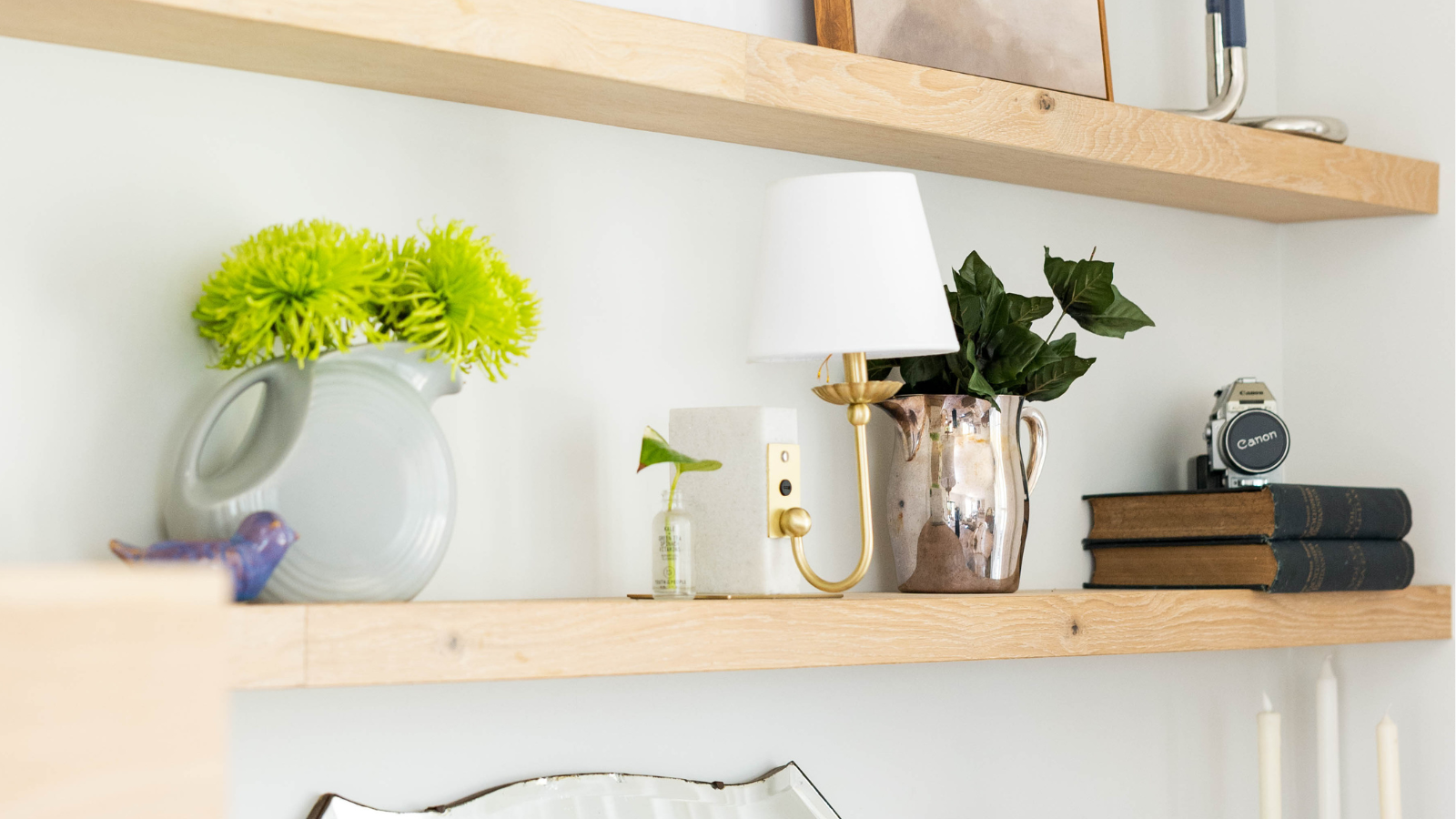
First, Let's Reframe What Staging Actually Is
Here is the thing most people get wrong about staging: they think it is about interior design. It is not. Staging is about buyer psychology. Those are two very different things.
Interior design is about creating a space that reflects the person living in it. Staging is about creating a space that helps a stranger fall in love with a life they have not lived yet. The goal is not to make your home look like a magazine spread. The goal is to make a buyer walk through the door and feel something before they have thought a single logical thought.
Buyers make emotional decisions first. The spreadsheet, the square footage comparison, the negotiation strategy, all of that comes later. The feeling? That happens in the first thirty seconds. Staging is how you control what that feeling is.
When I work with sellers, I am not thinking about throw pillows. I am thinking about the story the home is telling and whether that story matches what the buyer walking through the door is hoping to find. Those are very different starting points, and they lead to very different results.
Who Is Actually Buying Homes in Southern Maine Right Now
Understanding your buyer changes everything about how you prepare your home. And the Southern Maine buyer is a pretty specific type of person.
A significant portion of buyers coming into this market are relocating from Boston, New York, or somewhere else that finally got to be too much. They are not just looking for more space or a lower price point, although those things matter. They are looking for a different life. Mornings that are not rushed. Weekends that feel like something. A place where their kids can actually play outside and they can actually breathe.
They have been dreaming about Maine for a while before they ever book a showing. They have a vision. Your job as a seller is to make your home look like that vision.
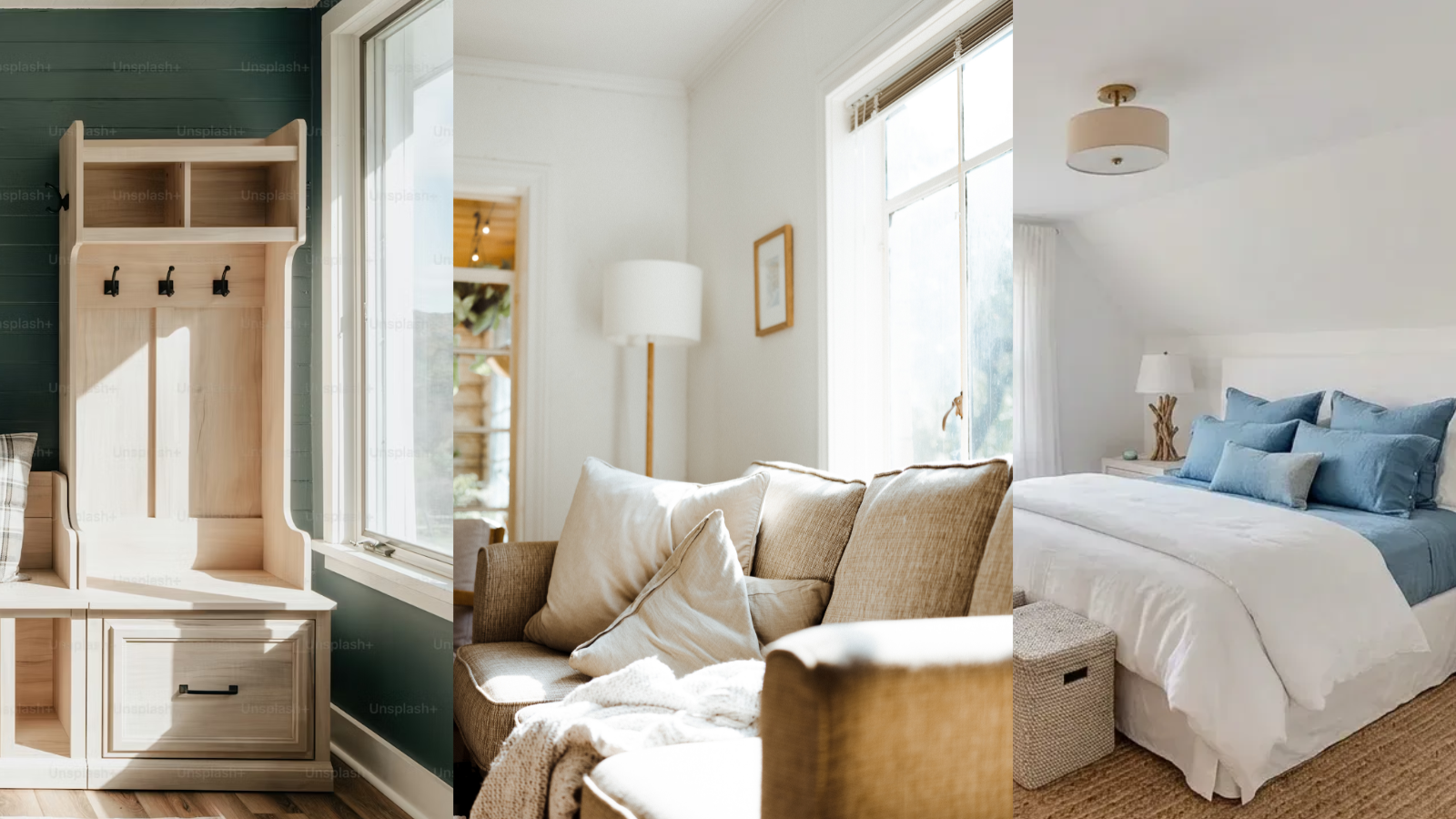
This is why the Maine staging aesthetic is so specific. It is not coastal-themed in the way of nautical stripes and anchor wallpaper. It is coastal in the way of quiet mornings and natural light and a palette borrowed from the landscape outside the window. It is warm without being heavy. It is curated without feeling like no one actually lives there.
When a buyer from Boston walks into a home that feels like the Maine they have been imagining, they do not walk out. That is the whole goal.
The Mistakes That Cost Maine Sellers Money
Okay, this is the part where I have some opinions. You were warned.
Too much "Maine" in the decor. I say this with love because I love Maine too, but the lobster prints have to go. So do the anchor motifs and the lighthouse everything. Buyers moving to Maine do not need to be reminded they are in Maine. They can literally see Maine out the window. Lean into natural textures, organic materials, and a palette that feels coastal without requiring a field guide to identify it.
Ignoring the outdoor spaces. In Southern Maine, the land, the porch, the view, these are not supporting characters. They are part of the headline. A neglected deck or an overgrown entry quietly signals to buyers that the home has not been cared for, and then they start wondering what else has not been cared for. Two chairs and a clean surface on a porch do more work than you think.
Thinking the market will do the work for you. Even in a strong market, homes that show poorly underperform. Buyers have options and they have feelings, and both of those things will move them on from your listing faster than you want. Staging is not a strategy for desperate sellers in slow markets. It is a strategy for smart sellers who want the best possible outcome in any market.
Leaving personal items everywhere. Your family photos are beautiful. Your collection of vintage salt and pepper shakers is delightful. Your buyers do not want to see any of it. Not because it is not lovely, but because it makes it harder for them to picture their own life in the space. Clear surfaces are not cold. They are an invitation.
The Rooms That Actually Move the Needle
Not every room needs the same level of attention. Here is where to focus your energy.
The entry and mudroom. In Maine, this space is doing more work than anywhere else in the house. It is the first thing buyers see when they come inside, and it sets the tone for everything that follows. It also tells a story about the lifestyle on offer here. A well-staged mudroom says: this home can handle real life and still look good doing it. Clear it out, add a bench and some hooks if the space allows, and make it feel intentional.
The main living space. This is where buyers spend the most time and make most of their emotional decisions, whether they realize it or not. Pull furniture away from the walls, arrange seating for conversation rather than just for the TV, and clear every surface. Three items maximum per surface, and make those three items count.
The primary bedroom. Buyers are buying rest here. They are buying the idea of finally sleeping well and waking up somewhere that feels good. Neutral bedding, clear nightstands, good light. A buyer who lingers in the primary bedroom is a buyer who is already imagining their life in it.
Outdoor spaces. I will say it again because it bears repeating: in Southern Maine, your outdoor space is a selling point. A composed porch or patio tells buyers that the whole property has been loved. Do not skip it.
What the Maine Staging Aesthetic Actually Looks Like
I get asked about this a lot so let me just say it plainly.
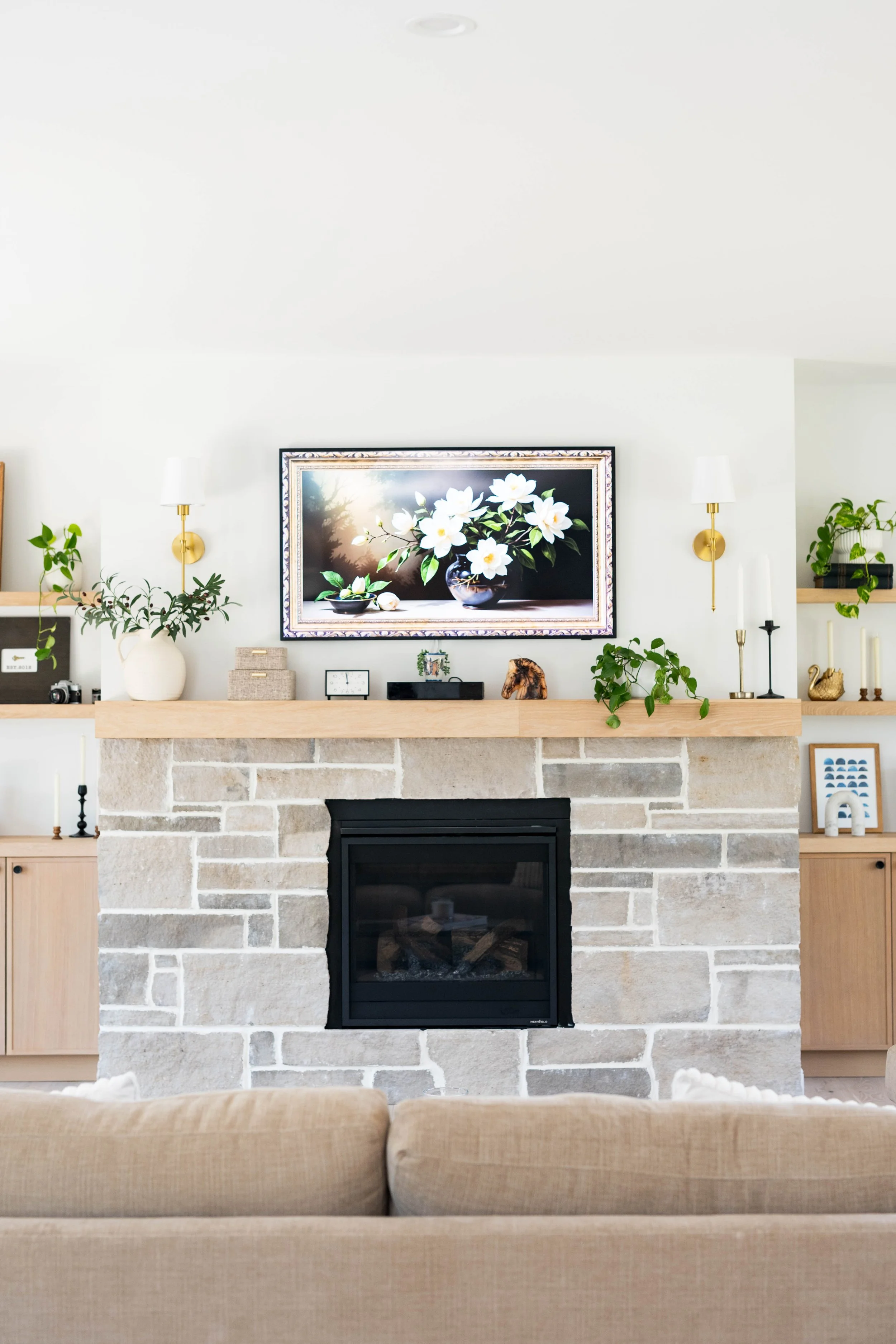
The Maine staging aesthetic is not the shiplap formula. It is not the all-gray-everything era that we are all quietly recovering from. It is softer and more honest than either of those things.
Think warm whites and linen tones. Natural wood that has actually earned its patina. Texture over pattern. Greenery that looks like it belongs in this climate. A ceramic something on a windowsill. A linen throw that looks like it got used last night. A candle that has actually been burned.
The goal is a home that feels edited, not empty. Cared for, not staged within an inch of its life. Distinctly Maine without trying to prove it, which, honestly, is pretty on-brand for Maine people in general.
If you are taking one thing away from this section, let it be this: less is almost always more, but the less has to be the right things. A thoughtfully chosen ceramic bowl does more than a shelf full of stuff.
When to Stop DIYing It and Call a Stager
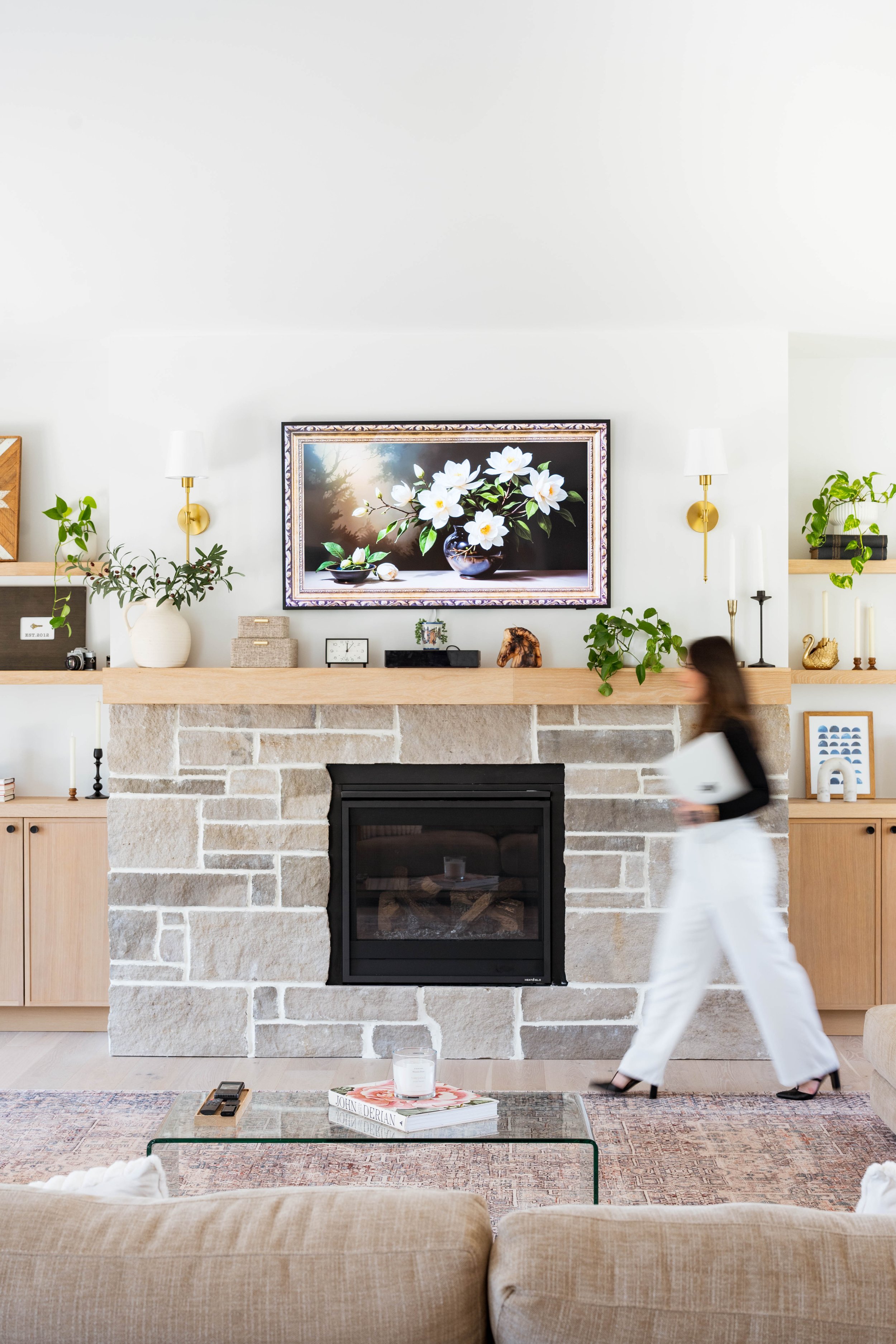
This guide will take most sellers a long way. But there are situations where a professional stager is the difference between a listing that lingers and one that sells before the open house.
Call a stager if your home is vacant. Empty rooms are brutal for buyer psychology. Buyers are notoriously bad at imagining furniture in an empty space, and a vacant home without staging is essentially asking them to do homework before they decide to buy.
Call a stager if you have had showings without offers. Something is not landing. A stager can usually put a finger on it within ten minutes of walking through the door.
Call a stager if you are relocating and cannot be present to prepare the home yourself, or if your home has unusual spaces or a challenging layout. We are very good at reframing the story a room tells.
And call a stager if you simply want the best possible outcome and you are not interested in leaving money on the table. That is a completely valid reason, and honestly the most common one.
The Short Version
Staging in Maine is not about making your home look like it belongs to someone else. It is about helping the right buyer see clearly that it could belong to them. It is about understanding what they are looking for, what they are feeling, and what story your home needs to tell to connect those two things.
Get the guide. Work through the checklist. And if you want a second set of eyes on your home before it hits the market, you know where to find me.
